
Boat & Yacht Window Tinting
Marine Window Film That Cuts Heat, Glare and UV, Installed at Your Slip
Get Free Quote
Marine Window Tinting Services
Cooler Cabin. Less Glare. Protected Interior.
We apply marine window film to yacht and boat windows across South Florida. The film is chosen for your glass, for where each window sits on the boat and for how dark the helm can safely be, and it is installed dockside.
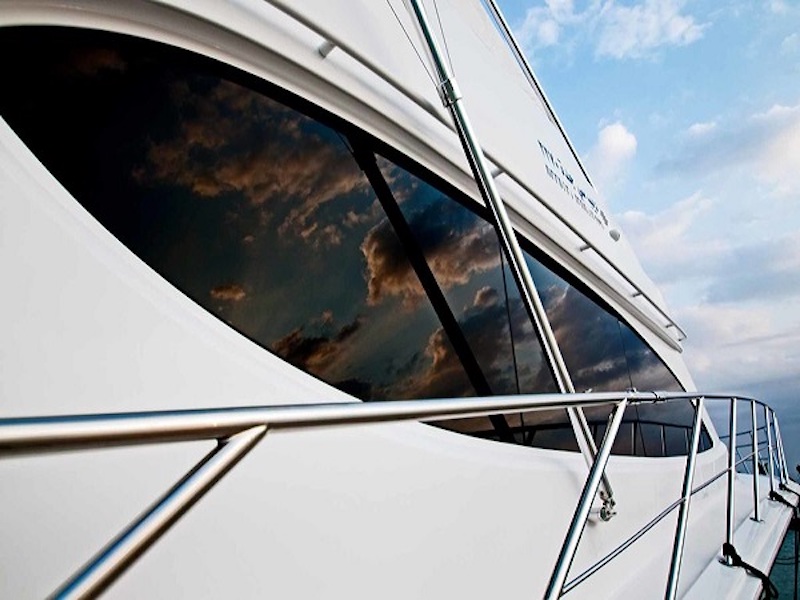
Heat Rejection
Ceramic film that blocks infrared heat so the air conditioning works less.
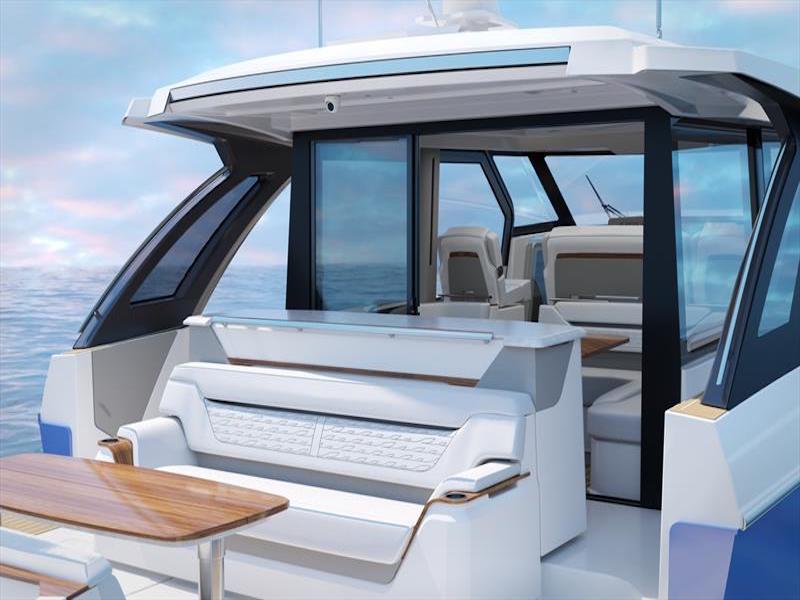
UV Protection
Film that blocks UV to slow the fading of upholstery, wood and electronics.
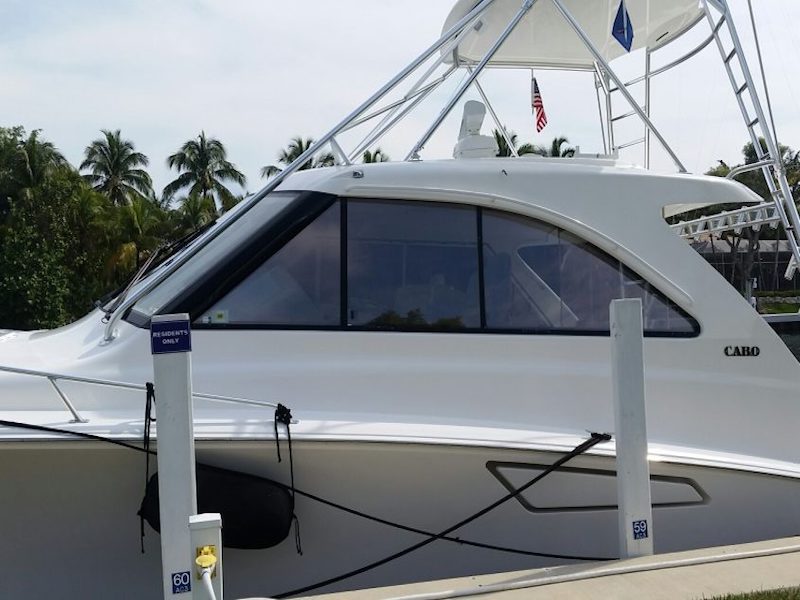
Glare & Privacy
Darker film for saloons, cabins and heads; lighter film where you need to see out.
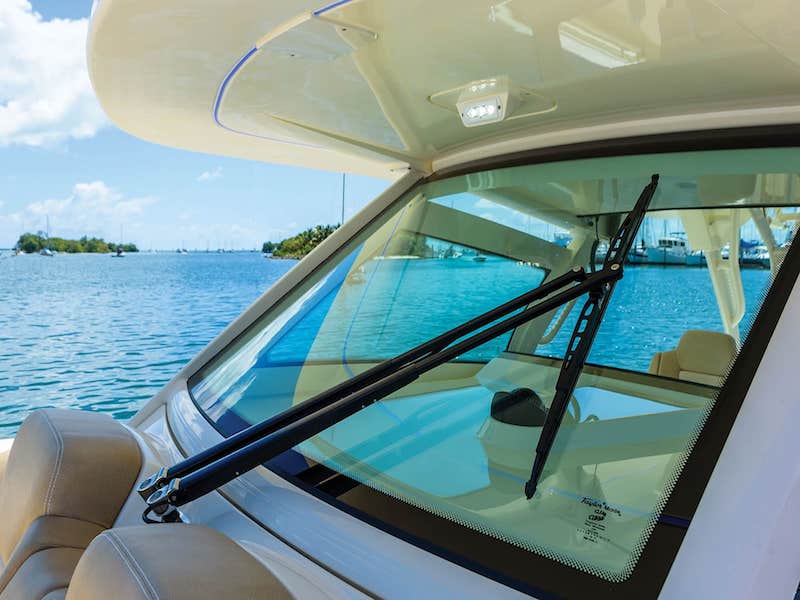
Windshield & Helm Tint
Light film that keeps night visibility at the helm.
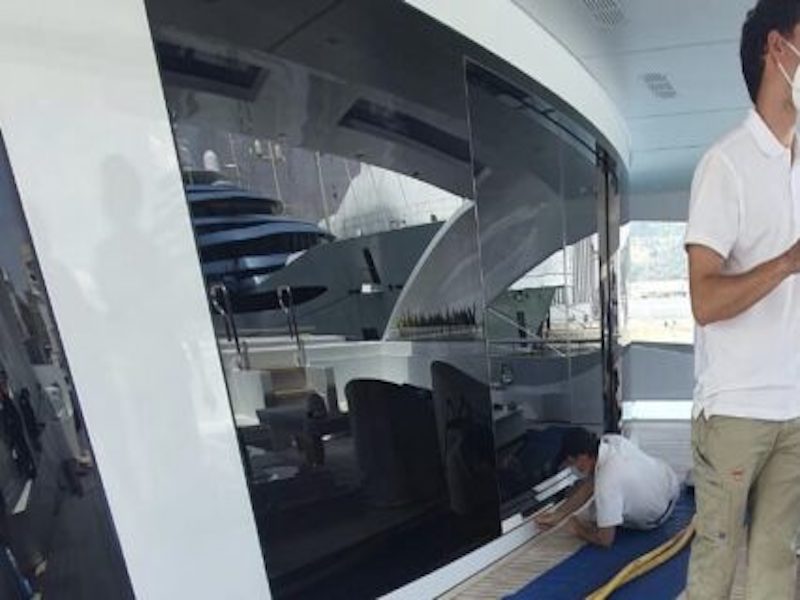
Old Film Removal
Bubbled, purple or peeling film stripped and the glass cleaned for new film.
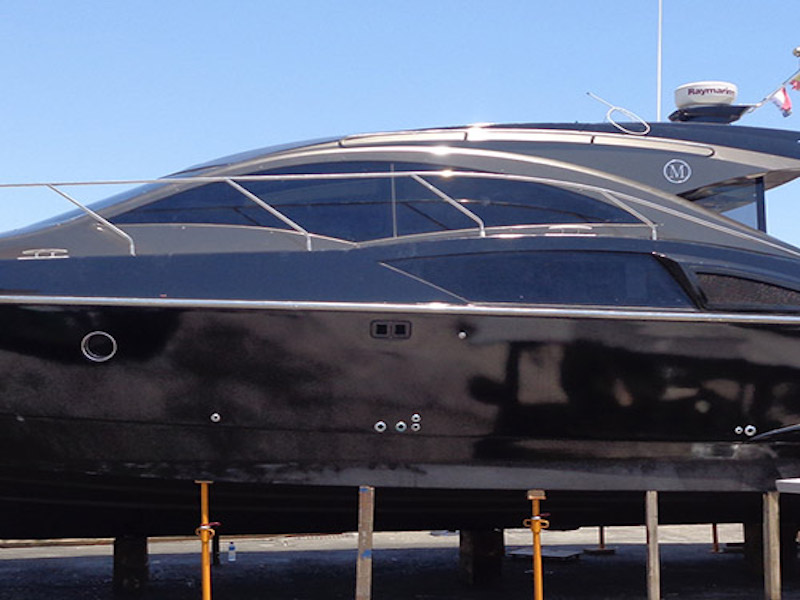
Tinting Cost
What moves the price of a yacht tint job in Florida.
Marine Window Tinting in South Florida
Window film is the fastest way to make a boat cooler and easier on the eyes without changing the glass. A good marine film blocks much of the sun's infrared heat, nearly all UV, and the glare off the water, while the view from inside stays clear. We install it at your slip on yachts, sport fishers, cruisers and center consoles.
What Window Film Does on a Boat
- Cuts heat. Less infrared through the glass means a cooler saloon and less load on the air conditioning.
- Blocks UV. Quality films block about 99% of UV, which slows the fading of upholstery, wood, flooring and helm electronics. See UV damage to yacht windows.
- Reduces glare. Screens are easier to read and the water is easier to watch.
- Adds privacy at the dock.
Types of Marine Window Film
- Ceramic film. The best heat rejection for a given darkness, no signal interference and the longest life in Florida sun. The right choice for most yachts.
- Carbon film. Good heat rejection and a stable color at a lower price.
- Dyed film. Cheap, but it fades and fails quickly in salt and sun. We do not recommend it on boats.
- Metallic film. Reflects heat well but can interfere with GPS, radar, VHF and cell signal, so it is a poor fit near antennas.
More in our marine window tinting guide.
How Dark Should Boat Window Tint Be?
Darkness is measured as visible light transmission (VLT): the lower the number, the darker the film. A common starting point is 35 to 50% VLT for windshields and helm windows, 20 to 35% for saloons and 5 to 20% for cabins and heads. The helm always has to stay light enough to run safely at night. Our guide on how to choose yacht window tint walks through the decision.
Which Marine Window Films Offer the Best UV Protection?
Almost every quality film, including the clear ones, blocks about 99% of UV. UV protection does not depend on how dark the film is. What separates films is heat rejection: a ceramic film rejects far more infrared than a dyed film of the same darkness. If fading is your main concern and you want to keep the view, a light or clear ceramic film does the job.
What Should You Look for When Choosing Marine Window Film?
- Ceramic or carbon construction, with no metal layer, so it does not affect electronics.
- 99% UV rejection stated by the manufacturer.
- Heat rejection figures, not only darkness. Two films of the same shade can differ widely in how much heat they stop.
- The right VLT for each window, lighter at the helm and darker in the cabins.
- Compatibility with your glazing. Film made for glass should not go on acrylic or polycarbonate.
- A manufacturer warranty that covers marine use.
How We Tint a Boat
1. Survey
We check what each window is made of and whether it is already tinted. Film over factory-tinted glass can end up darker than intended, so we measure first.
2. Film choice and written estimate
You see the options for each area of the boat and get a written estimate.
3. Preparation
The glass is cleaned thoroughly. Old film and adhesive are removed if there is any.
4. Installation
The film is cut to each window and applied to the inside surface, where salt and washdowns cannot reach it. On curved glass it is heat-formed to shape.
5. Cure
Film needs time to cure before the windows are cleaned. We tell you how long before we leave.
What Tinting Costs
The price depends on the number and size of the windows, how many are curved, the film you choose and whether old film has to come off. See yacht window tinting cost in Florida. Estimates are free.
Common Questions
Can you tint a boat windshield?
Yes, with a light film. The helm has to stay clear enough to run safely at night, so windshields get the lightest film on the boat.
Will tint interfere with radar, GPS or VHF?
Ceramic and carbon films contain no metal and do not interfere. Metallic films can.
Can acrylic or polycarbonate windows be tinted?
Only with film made for plastics. Standard film can bubble on acrylic and polycarbonate. We check the material before quoting.
Can you tint over factory-tinted glass?
Yes, as long as the combined darkness is still safe for that window. We measure the existing glass first.
Is the film applied inside or outside?
Inside, where it is protected from salt, sun-baked spray and washdowns.
How long does marine window tint last?
It depends on the film and the exposure. Ceramic films last the longest and dyed films the shortest.
Where We Tint
We tint at your slip in Fort Lauderdale, Miami, West Palm Beach, Boca Raton, Pompano Beach, the Florida Keys, Naples and the rest of our service area. Leaking or failed sealant around the glass should be fixed before film goes on: see caulking and leak repair.
Text a photo of your boat to (754) 325-1470 or call for a free estimate.